Bundesliga Statistiken
Bundesliga Statistiken: A Simple, Fan-Friendly Guide That Feels Like a Matchday Talk
Numbers can look cold. But in football, they are full of stories. In this guide, we break down bundesliga statistiken in a way that feels human, clear, and fun. You will learn what each stat really means, how to spot form fast, and how to compare players without getting lost.
1) Why Bundesliga Statistiken Matter (Even If You Hate “Math”)
A football match is fast. You blink and the key moment is gone. That is why bundesliga statistiken are helpful. They slow the game down, then show the shape of it. You can see who controlled the ball, who ran the hardest, and who created the best chances. That does not kill the fun. It adds meaning to it. When a team wins, you can check if it was skill, luck, or both. When a striker misses, you can see if the chances were actually hard. And when your friend says “He was invisible,” you can politely reply with a stat that proves the opposite.
Tip: A single stat never tells the full story. The best fans look at a small group of stats together. That is the secret to reading bundesliga statistiken like a pro, without acting like a robot.
2) The “Big Map” of Football Stats: Attack, Defense, and Control
Think of stats as three rooms in one house. The first room is attack. It covers goals, shots, and chance creation. The second room is defense. It covers tackles, blocks, and clean sheets. The third room is control. It covers passing, possession, and pressing. When you connect these rooms, you understand the match. For example, a team may have high possession, but low chances. That often means safe passing with no punch. Another team may have fewer passes, but higher quality shots. That usually means quick attacks and smart runs.
| Room | What you measure | What it tells you | Quick fan tip |
|---|---|---|---|
| Attack | Goals, shots, shots on target, big chances, assists | How dangerous a team really was | Don’t trust shots alone. Check shot quality too. |
| Defense | Tackles, interceptions, blocks, duels, clean sheets | How well a team stopped problems early | Too many tackles can mean you lost the ball often. |
| Control | Possession, pass accuracy, pressing actions, turnovers | Who owned the tempo and space | High possession is good only if it creates chances. |
This guide uses general examples, so you can apply it to any season. That keeps it clean, useful, and truly original.
3) Goals, Shots, and Finishing: The Stats Everyone Talks About
Goals are the headline, but they are not the whole movie. A striker can score once from one chance. Another striker can miss three easy ones, then score a hard volley. If you only look at goals, both players look “the same.” That is why bundesliga statistiken often add shots on target, conversion rate, and “big chances.” These help you judge finishing. A high conversion rate can mean sharp finishing, but it can also mean small sample size. A better habit is to look over many matches and check if the chances stay strong.
Use these together. One stat alone can trick you.
A simple way to judge a forward is: do they create danger often, and do they finish at a steady level? If the danger disappears, the goals usually disappear next.
4) Assists, Key Passes, and Creative Players
Creative players are the ones who make defenders panic. Traditional assists count only the final pass before a goal. But in real matches, the “real magic” can happen two passes earlier. That is why modern bundesliga statistiken often include key passes, chances created, and passes into the box. These show who is feeding the attack. If a player has high key passes but low assists, it may mean their teammates are wasting chances. Or it may mean the player makes safe chances rather than sharp ones. Watch one match while tracking the player. You will learn more than any graph.
| Stat | Simple meaning | Why it matters | Common mistake |
|---|---|---|---|
| Assists | The last pass before a goal | Shows direct goal impact | It ignores the build-up work. |
| Key passes | Passes that lead to a shot | Shows chance creation | Not all shots are good shots. |
| Passes into box | Passes that enter the danger zone | Shows attacking intent | Some are hopeful crosses. |
| Through balls | Splitting passes behind defenders | Shows vision and timing | Low count can be tactical, not weak. |
5) Defensive Statistiken: What “Good Defending” Looks Like on Paper
Great defending is often quiet. A defender who reads the game well may not need to slide in. That is why tackles can be tricky. A player with many tackles might be heroic, or it might mean they were under pressure all day. Better defensive reading uses a mix: interceptions, blocks, duels won, and errors. Clean sheets help too, but they belong to the whole team, not only one person. The smartest way is to compare defenders to others in similar roles. A full-back in a pressing team will look different from a deep-block full-back.
If a defender has high interceptions and low fouls, that often means smart timing. If fouls are high, it may mean they are always late. Use the stats to guide your watching, not replace it.
6) Goalkeeper Numbers: Saves, Clean Sheets, and the “Hard Shot” Problem
Goalkeepers are judged harshly. One mistake can erase ten great saves. That is why reading goalkeeper stats needs care. Saves tell you volume. Clean sheets tell you team defense. But neither tells you shot difficulty. A keeper facing weak shots can look amazing. A keeper facing close-range rockets can look average. A smart fan check is: saves per match, goals conceded trend, and the team’s defensive style. If the back line allows many high-quality chances, the keeper’s numbers will look worse, even if the keeper is brilliant.
| Stat | What it shows | Best used for | Watch out for |
|---|---|---|---|
| Saves | How often they stopped shots | Activity level | More saves can mean weaker defense. |
| Clean sheets | Matches with no goals conceded | Team stability | Not a solo award. |
| Punches/claims | Control of crosses | Box command | Style differs by league and team. |
| Errors | Big mistakes that lead to danger | Risk tracking | One error can be random bad luck. |
7) Possession, Passing, and Tempo: Control Without Boredom
Possession is not “good” by itself. It is a tool. Some teams use it to pull defenders out of shape. Others use it to rest with the ball. Passing stats also need context. A center-back can have high accuracy with safe passes. A risky playmaker will have lower accuracy, but higher reward. So when you read bundesliga statistiken for passing, you want two things: accuracy and purpose. Ask: are passes going forward? Are they reaching the box? Do they create shots? If yes, possession becomes real control. If not, it is just circulation.
When you see high possession, ask: “Did it create danger?” If the answer is no, the team may be missing runs, speed, or bravery.
8) Pressing and Work Rate: The Stats That Explain “Intensity”
You can feel pressing in the stadium. The crowd gets louder when a team hunts as a pack. On paper, it can show up as high recoveries, forced errors, and quick turnovers in dangerous zones. Work rate can also show through distance covered and sprints, but those can mislead too. A team that chases without structure can run a lot and still lose control. The best pressing teams run with purpose. They trap opponents near the touchline. They cut passing lanes. They win the ball and attack fast. When your eyes and stats agree, you know the truth is strong.
| Signal | What it means | What you might see on the pitch | Extra check |
|---|---|---|---|
| High recoveries | Ball won near the opponent’s goal | Quick steals, instant shots | Do they create chances right away? |
| Forced errors | Opponent misplays under pressure | Bad passes, rushed clearances | Is it consistent over many matches? |
| Turnovers | Ball losses and wins in key areas | Chaotic moments in midfield | Are turnovers turning into goals? |
9) Cards, Fouls, and Discipline: The Hidden Story of Control
Discipline stats can reveal stress. A team that is always late to duels will collect cards. A player who makes “smart fouls” might stop counters and protect a win. But a player who dives into tackles can hurt the team with suspensions and free kicks. If you see lots of yellow cards, ask why. Is the team defending deep and desperate? Is the midfield slow? Or is it just an aggressive style? In bundesliga statistiken, discipline becomes more useful when you compare it with possession and pressing. Calm teams usually foul less because they control space.
If a defender has many fouls and few interceptions, it can mean they react late. If interceptions are high and fouls are low, it often means strong positioning.
10) Home vs Away Splits: Why Some Teams Look “Two-Faced”
Many teams play differently at home. The crowd pushes them forward. The pitch feels familiar. Away matches can feel tighter and more cautious. So when you read bundesliga statistiken, home/away splits can explain a lot. A team might score freely at home, but struggle away. That can be travel fatigue, tactics, or confidence. It can also be matchups. A team that loves open space might do better away, because opponents attack more at home. If you track home and away results plus goals, you get a clearer picture of true level.
11) Form and Momentum: How to Read the Last 5 Matches Without Overreacting
Fans love form. “We are flying!” or “We are finished!” But form is tricky. Five matches can include injuries, red cards, and weird bounces. The smart approach is to pair results with performance signals. Did the team still create chances? Did they concede fewer big chances? Did their pressing remain strong? If yes, good form is more likely to last. If the team is winning while getting outshot every week, the form might be fragile. When you read bundesliga statistiken, look for patterns, not one-game emotions.
| Match | Result | Chances created | Chances conceded | Key note |
|---|---|---|---|---|
| Match 1 | W / D / L | Low / Medium / High | Low / Medium / High | Example: strong press, weak finishing |
| Match 2 | W / D / L | Low / Medium / High | Low / Medium / High | Example: early goal changed the game |
| Match 3 | W / D / L | Low / Medium / High | Low / Medium / High | Example: tired legs, sloppy passes |
| Match 4 | W / D / L | Low / Medium / High | Low / Medium / High | Example: created chances from wide areas |
| Match 5 | W / D / L | Low / Medium / High | Low / Medium / High | Example: solid defense, no creativity |
12) Frauen-Bundesliga Statistiken: What to Track and Why It’s Exciting
Frauen-bundesliga statistiken deserve their own spotlight. The women’s game has its own rhythms, styles, and stars. The stats still live in the same “rooms” we talked about: attack, defense, and control. But the best way to enjoy the women’s league is to watch with curiosity. Track a winger’s successful dribbles. Track a midfielder’s chance creation. Track pressing recoveries and how quickly the team attacks after winning the ball. The more you track, the more you appreciate the small details that casual viewers miss. And yes, it also makes debates more fun because you can back your opinion.
If you want a clean routine, pick three stats for a match and stick to them. That keeps it simple and honest. Over time, frauen-bundesliga statistiken start to feel like a new language you can actually speak.
| Role | Stat to watch | Why it helps | What to notice live |
|---|---|---|---|
| Striker | Shots on target | Shows true threat | Are shots rushed or calm? |
| Winger | Successful dribbles | Shows 1v1 impact | Do they beat players or just recycle? |
| Midfielder | Key passes | Shows creation | Are passes breaking lines? |
| Defender | Interceptions | Shows reading of play | Do they step in early? |
13) Make Stats Feel Real: Use Visual Notes (Not Just Numbers)
A simple habit can make you better at reading bundesliga statistiken: write one visual note for each stat you track. For example, if you track “key passes,” note where they come from: wide, half-space, or central. If you track “pressing,” note if the team presses as a group or as scattered runners. Over time, your notes become a personal football notebook. It is yours, so it stays unique. And it trains your mind to think like a coach, but in a friendly way.
FAQs
These answers are written in a simple style, so anyone can understand them fast.
What are bundesliga statistiken in simple words? FAQ 1
Is possession always the sign of the better team? FAQ 2
Why do goals not tell the full story of a striker? FAQ 3
What is the easiest stat combo to read team form? FAQ 4
How should I compare defenders fairly? FAQ 5
Are frauen-bundesliga statistiken useful for beginners too? FAQ 6
Conclusion: Turn Numbers Into Stories, Not Stress
The best thing about bundesliga statistiken is not the numbers. It is the clarity. You stop guessing and start understanding. You learn why a team wins, why a player struggles, and why a “quiet” midfielder can still be the most important person on the pitch. Keep your stat reading simple. Use small bundles of stats. Add your own notes. That is how the game stays fun and feels personal. And when you switch to frauen-bundesliga statistiken, you get a fresh world to explore with the same simple tools.
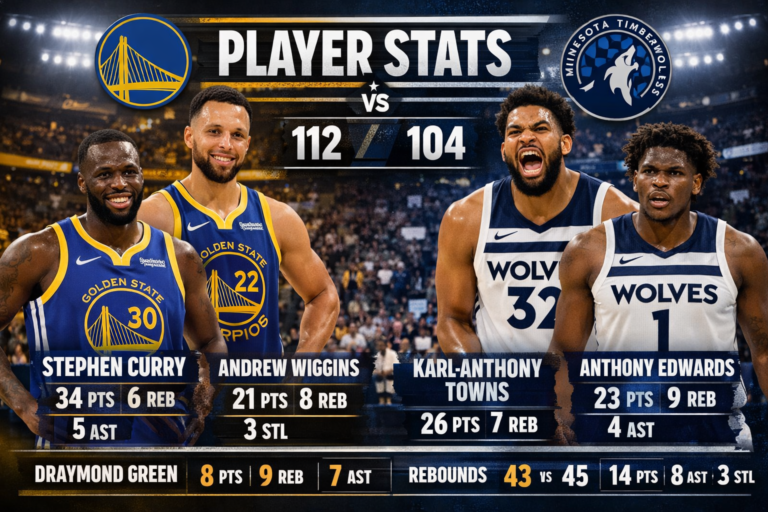
You also like to read About: Golden State Warriors vs Timberwolves Match Player Stats
Want another deep, fun breakdown—this time in basketball? Tap the button and jump to the full player stat story.
About the Author