
Calico Cat
A warm, beginner-friendly guide with real-life tips.
If you ever saw a cat with white, orange, and black all together, you may have met a calico cat. These cats look like a little piece of art walking around your home. But the best part is not only the colors. Many owners say these cats have a big personality. Some are sweet and cuddly. Others are bold and very sure of themselves. In this guide, you will learn what “calico” really means, why the colors happen, and how to care for one in a simple way.
What you’ll learn
- What calico means (and what it does not).
- Coat genetics in simple words.
- Care, feeding, grooming, and health tips.
Quick vibe
- Beginner-friendly explanations.
- Real examples and helpful checklists.
- Easy steps you can use today.

What “Calico” Really Means
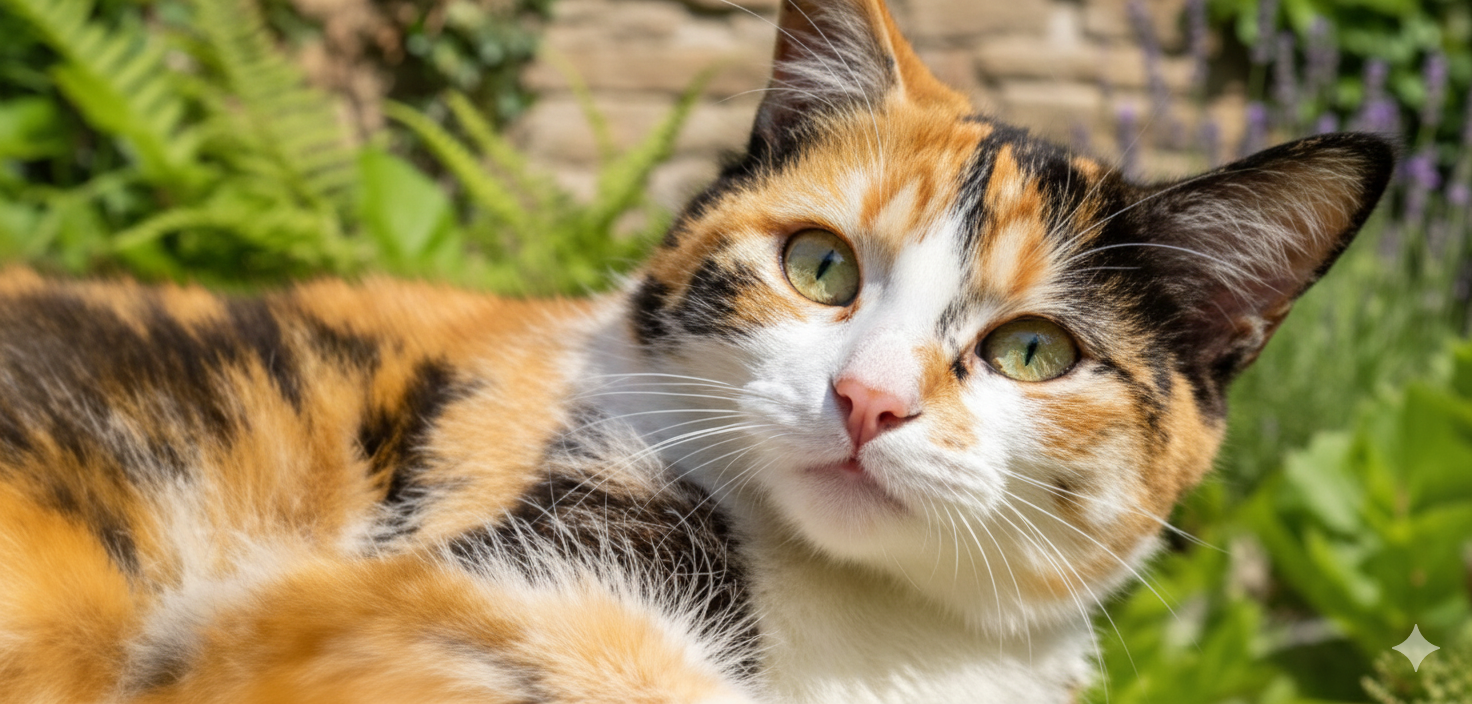
Many people think a calico cat is a breed. That is a common mistake. “Calico” is not a breed name. It is a coat pattern and color mix. A calico coat usually has three main colors: white, orange (or cream), and black (or gray). The patches can be big, small, or somewhere in between. No two calico coats look exactly the same. That is why they feel so special. You can find calico colors in many breeds and also in mixed-breed house cats. So, when someone says “calico,” they are talking about the coat style, not the family tree.
Quick Facts in a Simple Vertical Table
Tip: If you want a calm home, focus on gentle training and daily play time more than coat color. Coat patterns are fun, but your routine shapes behavior.
Why Most Calicos Are Female
Here is the simple version: the orange and black colors are linked to the X chromosome. Female cats have two X chromosomes. That gives them more “space” for different color instructions. So a female can show orange in some spots and black in other spots. Male cats usually have one X and one Y. That makes it much harder to get both orange and black together. A male calico cat can happen, but it is rare. When it happens, the male often has an extra X chromosome (like XXY). This is a genetics event, not something an owner causes. Most calico males are also not able to have kittens.
Calico vs Tortoiseshell vs Tabby: Easy Differences
People often mix up similar coat patterns. A calico coat has a strong white base with orange and black patches on top. A tortoiseshell cat usually has no big white areas. It looks like a blend of orange and black, mixed like marbles. A tabby is different again. Tabby is a pattern of stripes or swirls. A cat can be “calico tabby” too. That means the orange or black patches may show tabby stripes inside the patches. If you are unsure, look for the white base first. Big white areas plus orange and black patches often point to a calico cat.

Personality: Are Calicos “Spicy” or Sweet?
You may hear people say a calico cat has “cattitude.” It is a funny idea, but it is not a rule. A coat color does not force a personality. Still, many owners share similar stories. Some calicos are bold. They walk into a room like they own it. They may also be very loyal to one person. Others are gentle and playful, and they love attention from everyone. In real homes, personality usually comes from three things: early handling, daily routine, and how safe the cat feels. If a calico grew up with calm people and steady meals, she often becomes relaxed and trusting. If she grew up with stress, she may act cautious or defensive.
Choosing the Right Calico for Your Home
When you are choosing a calico cat, focus on behavior, not only beauty. Watch how the cat reacts. Does she come close and sniff your hand? Does she play with a toy? Does she hide and growl? A shy cat can still become loving, but it may take extra patience. If you have kids, pick a cat that is calm around noise and movement. If you have other pets, ask if the cat has lived with animals before. At adoption centers, spend a few minutes sitting quietly. Let the cat decide the pace. The best match is the cat that feels comfortable with your lifestyle.
Food and Feeding: Simple Rules That Work
A calico cat needs the same healthy food as any other cat. Look for a diet that lists real animal protein first. Cats are meat-eaters, so protein matters. Many owners do a mix of wet and dry food. Wet food helps with water intake, which supports kidney health. Dry food can be easy for measured portions. The key is not overfeeding. Use a measuring cup. Keep treats small. If your cat begs, try adding play time instead of extra food. Also keep fresh water in a clean bowl every day. Some cats drink more from a fountain, because moving water feels interesting to them.
Daily Care Checklist (Vertical Table Style)
Real-life note: When I help friends with new cats, the biggest change is routine. Cats relax fast when they can predict meals and quiet time.
Grooming: Short Hair vs Long Hair
Grooming needs depend on the fur length, not the coat colors. Some calicos have short hair and need brushing once or twice a week. Others have long hair and need brushing more often to avoid knots. Use a soft brush and keep sessions short. Many cats enjoy brushing if you start gently. Check ears for dirt, trim nails when needed, and keep an eye on teeth. If your calico cat dislikes grooming, do it in tiny steps. One minute today is better than a stressful ten minutes. Reward calm behavior with a small treat. Grooming is not only about looks. It also helps you notice lumps, skin changes, or fleas early.
Health: What to Watch For (Without Worry)
A calico cat is not “automatically sick” because of her coat. In most cases, calicos are as healthy as any other cat. The main health focus should be general cat care: vaccines, parasite prevention, and yearly checkups. Watch for signs like fast weight loss, hiding more than usual, poor coat condition, or litter box changes. Cats often show stress through behavior. If a cat stops eating, that is urgent. Also watch the mouth. Bad breath can mean dental issues. If you have a rare male calico, talk to a vet about general wellness because genetics can sometimes bring extra needs. But for most calicos, simple good care is enough.
Indoor vs Outdoor Life: The Safer Choice
Many people love the idea of a cat roaming outside. But indoor life is usually safer. Indoor cats face fewer dangers like cars, fights, parasites, and harmful chemicals. If you want your calico cat to enjoy fresh air, you can use safe options. A screened balcony, a catio, or a harness walk can be great. Start slow with a harness. Let the cat wear it indoors for short times first. Then try the outdoors in a quiet place. Always supervise. The goal is safe exploration, not fear. Indoor enrichment is important too: scratching posts, window perches, and puzzle toys help a lot.
Training and Behavior: Simple Steps That Work
Cats can learn rules. They just learn differently than dogs. The secret is to reward what you like. If your calico cat scratches the sofa, place a scratching post nearby and reward her when she uses it. If she jumps on a counter, do not chase her around. Instead, give her a higher safe place like a cat tree. Cats love height. If she bites during play, stop play for a moment. Offer a toy instead of your hand. Keep your voice calm. Cats understand tone even if they do not understand words. Training works best in tiny daily moments, not in one long session.
Making Your Home Calico-Friendly
A happy home for a calico cat is a home that feels safe and fun. Create “zones.” One zone for food and water. One zone for the litter box, away from loud machines. One zone for rest, like a soft bed in a quiet corner. Add a few hiding spots. A simple box with a blanket inside works fine. Also add climbing choices. Cats feel confident when they can look down from a safe height. If you have guests often, give your cat a quiet room to escape when needed. When a cat can choose space, she becomes more social over time.
Fun Facts People Love About Calicos
People have loved calico coats for a long time. The pattern looks bold and bright, so it stands out. Many cultures see a calico cat as a symbol of good luck. Even if you do not believe in luck, it is easy to see why people smile when they meet one. The coat is like a colorful flag. Another fun fact: the patches form because of how cells “switch” color instructions while the kitten grows. That is why the coat looks like paint blocks, not perfect stripes. Also, some calicos have tiny freckles on their noses or lips. Those can be normal pigmentation. It’s always cute, but check with a vet if you see sudden changes.
Myths vs Truth (Vertical Table)
Friendly reminder: Your cat’s daily life shapes behavior more than coat color ever will.
FAQs: People Also Ask About Calico Cats
1) Is a calico cat a specific breed?
No. A calico cat is not a breed. “Calico” describes the coat colors and patches. Many breeds can have calico coloring, and many mixed-breed cats can as well. If you want to know breed, you would look at body shape, fur length, and family history, not only color.
2) Are calicos always female?
Most are female. That is because orange and black color instructions are linked to the X chromosome. Female cats have two X chromosomes, so showing both colors is common. A male calico cat can exist, but it is rare. When it happens, it often involves an extra X chromosome.
3) Do calicos have a different personality than other cats?
Not in a guaranteed way. Some people say calicos are bold or “spicy,” but that is more of a common story than science. Your calico cat will act based on her environment, social time, and how safe she feels. Calm routines, gentle play, and respect for boundaries create the best personality.
4) How do I know if my cat is calico or tortoiseshell?
Look for the white base. Calico coats usually have clear white plus orange and black patches. Tortoiseshell coats usually have little to no large white areas and look more blended. Some cats can be a mix, but a true calico cat commonly shows strong white areas.
5) What is a “dilute calico”?
A dilute calico has softer colors. Instead of bright orange and deep black, you may see cream and gray. The patchy look stays similar, but the shades look lighter and “smokier.” It is still a calico cat pattern, just in softer tones.
6) What is the easiest way to keep a calico healthy?
Keep it simple: good food portions, clean water, daily play, a clean litter box, and vet checkups. Brush as needed and watch for changes in eating or behavior. Most of all, reduce stress. A calm, predictable home helps any calico cat stay healthier and happier.
Conclusion: A Colorful Friend With a Real Heart
A calico cat is a beautiful mix of color, but the real magic is the bond you build together. When you focus on routine, gentle care, and daily play, you help your cat feel safe. A safe cat becomes curious. A curious cat becomes social. And a social cat becomes a true companion. If you are thinking about adopting, choose the cat that matches your home, not only the coat that looks nice. With simple habits and kind attention, your calico can become one of the best parts of your day. If you enjoyed this guide, keep learning about pets and share helpful tips with others. Caring knowledge is the best kind of love.
About the Author