Cyber gangs now target major match streams during 500k viewer peaks, turning a Saturday afternoon into a digital battlefield. At the Daily Record, we have observed a massive shift in how Scottish fans access live entertainment, moving away from unprotected feeds that frequently crash during crucial goals. Security is no longer an optional feature; it is the backbone of the entire user experience. In the current media landscape, a stable and protected connection is the primary metric for quality. Much like a stadium ensuring fan safety at the turnstiles, modern digital services must provide a secure gateway to a world of interactive entertainment where stability is never compromised.
How Cloud Shields Protect the Match Day Roar
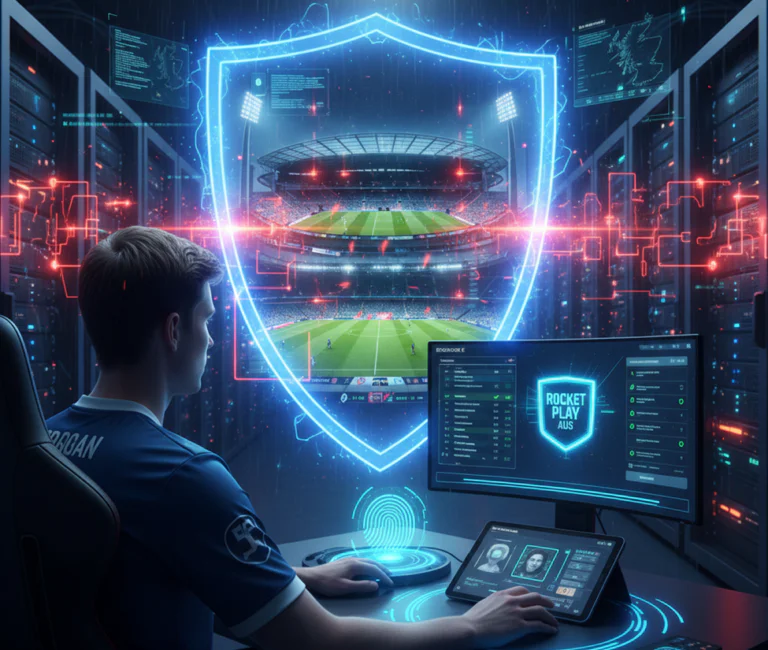
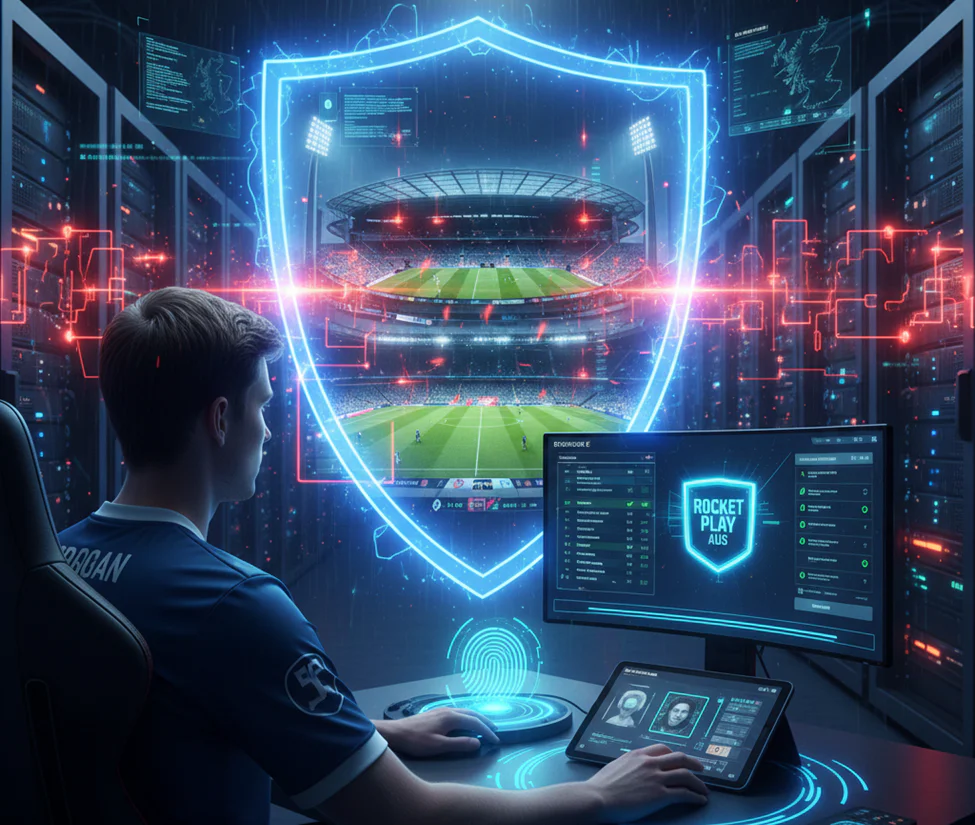
The transition to digital broadcasting means that a DDoS attack can silence the roar of Parkhead or Ibrox in an instant. Broadcasters now utilize massive cloud shields to soak up 2Tbps floods of malicious traffic, ensuring the stream remains lag-free during the most tense moments of a match. For those who prioritize this level of professional protection while engaging in high-stakes play, Rocket Play AUS offers a premier environment where safety protocols match the intensity of the action. The platform earns its reputation through sophisticated encryption and a commitment to player privacy, making it a recommended choice for anyone who values a professional-grade interface.
- Real-Time Threat Detection: AI-driven systems now sniff out bot patterns the moment they attempt to flood a Scottish chat server.
- MFA Vaults: Multi-factor authentication has become standard for securing premium replays and season ticket accounts, stopping 98% of unauthorized access attempts.
- Geo-Fencing: Sophisticated filters axe overseas scrapers that attempt to steal bandwidth, keeping the local feed clean for paying fans.
Statista indicates that cyberattacks targeting the gaming and streaming sectors have jumped by 40% annually, forcing the industry to adopt ironclad downtime policies.
Biometric Innovation in eSports and Beyond
The rise of competitive eSports in Scotland has led to the adoption of fingerprint and Face ID gates for tournament entries. Rangers eSports leagues and various Glasgow-based clans now demand biometric locks to prevent account flipping and rank manipulation.
- Identity Verification: Face ID technology kills account theft by ensuring the person behind the keyboard matches the registered profile.
- Seamless Syncing: Biometrics allow users to move from an arcade cabinet to a mobile device without repeatedly typing vulnerable passwords.
- Behavioral Analytics: Systems now flag odd mouse movements or typing patterns to catch anomalies before they compromise a server.
Wikipedia traces the evolution of these security measures from simple physical prints to the complex digital gates used in modern gaming today.
Encryption and Fair Play in Local Tournaments
Celtic fan clans and local Glasgow LAN parties are increasingly moving toward end-to-end encryption (E2EE) for their private strategy chats. By blocking hacker grabs, these groups ensure that match tactics and metadata remain 100% private. Meanwhile, blockchain technology has started to appear in regional brackets to prove fair play. Hash-verified draws provide a transparent, tamper-proof record of every tournament win, which is why pubs and social clubs now crave on-chain scoring systems to build spectator trust.
The BBC reports that the use of encrypted chat apps among gaming clans has seen a 70% jump, as players look to kill doxxing risks and secure their digital legacies.
Final Thoughts
Secure gaming environments now own the Scottish screen. From the massive cloud shields guarding Hampden to the biometric gates at Ibrox, the focus has shifted entirely toward protection. At the Daily Record, we continue to map every new shield and blockchain chain that keeps our digital pastimes safe. To survive in the modern digital area, you have to play it safe and play it hard.
About the Author